In this guest blog, Fiona Treacy of Dalkey Tidy Towns tells us how the community has tracked local bumblebees and helped nature thrive by taking part in the National Biodiversity Data Centre’s Bumblebee Monitoring Scheme.
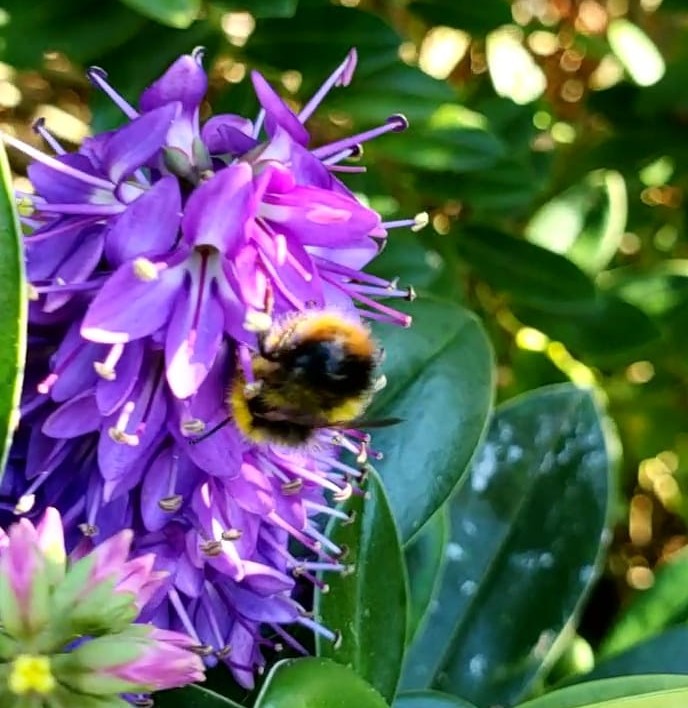
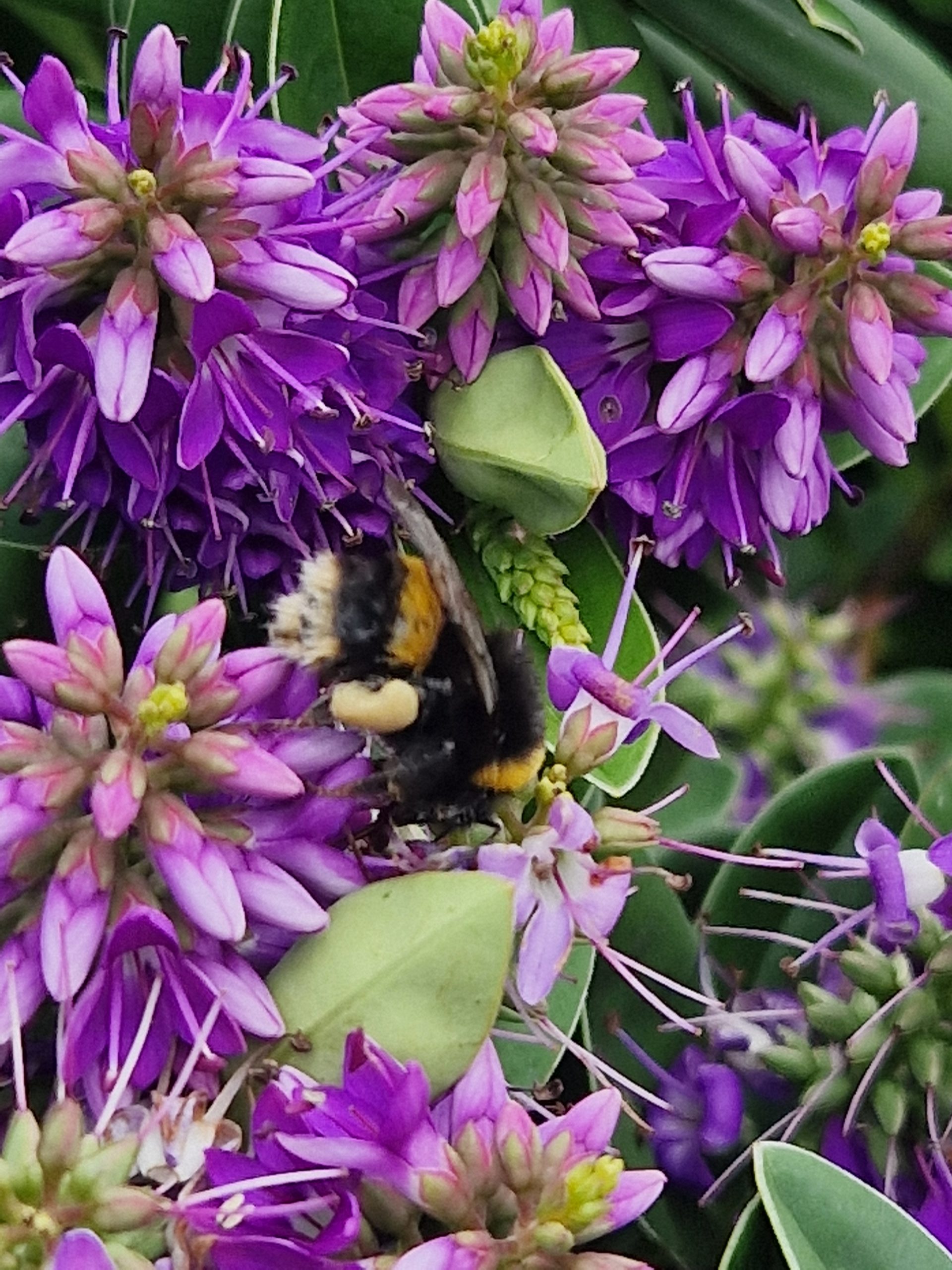
Dalkey Tidy Towns is now beginning its third year of bumblebee monitoring, having started this work in March 2023. Our 1km route winds through Sorrento Park and Dillon’s Park – two coastal green spaces where large areas have been intentionally left in a natural, semi‑wild state. Brambles, gorse, long grass, knapweed, clovers, dandelions, plantain, stone walls with nesting cavities, and the occasional bare south or east‑facing bank all help create a rich and varied habitat for pollinators. Wild hebe is thriving, and in Sorrento Park, Echium has taken hold after escaping from a nearby garden.
Working together and spreading the word
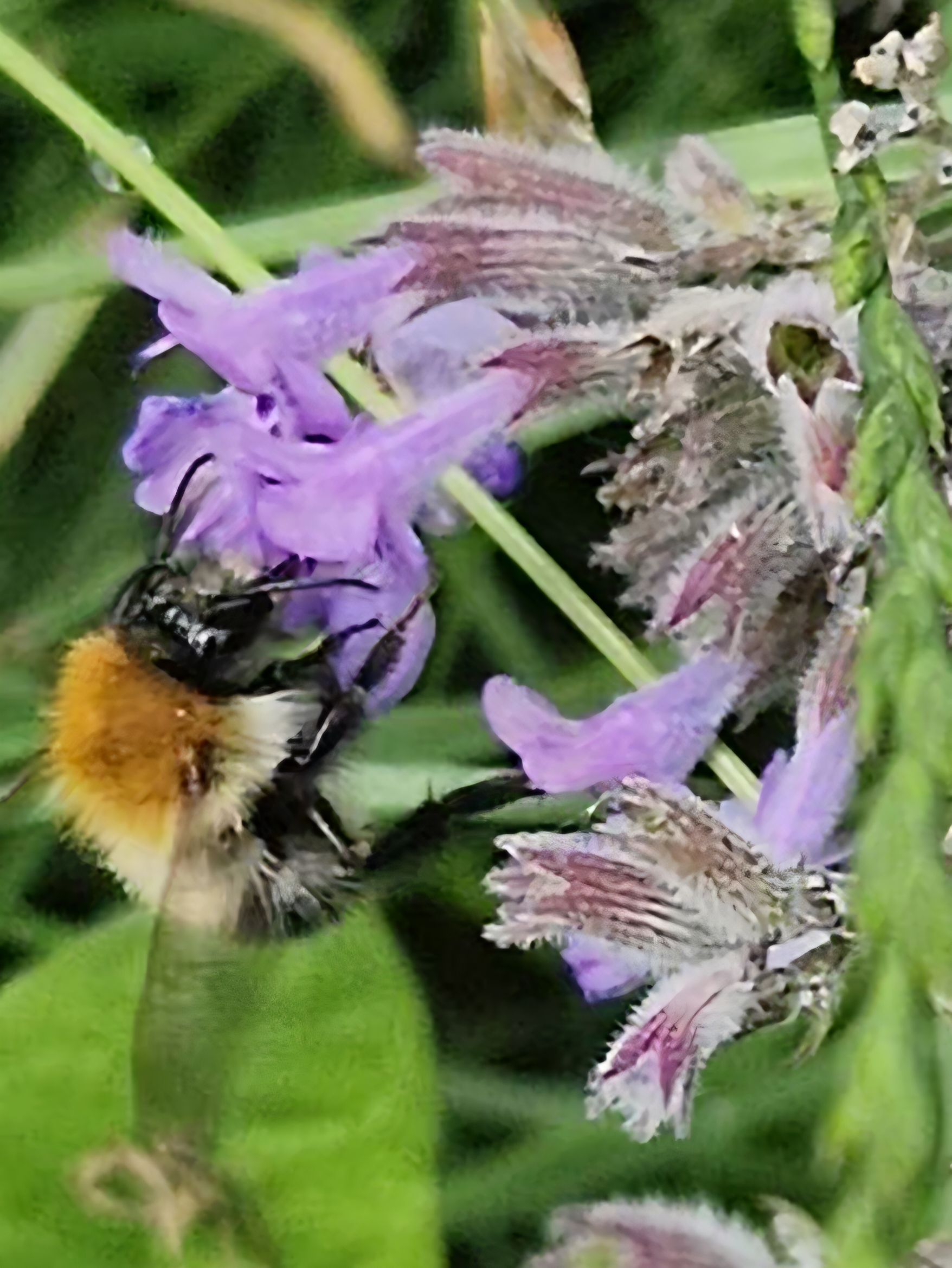
Alongside these naturally valuable areas, Dalkey Tidy Towns and Dún Laoghaire–Rathdown County Council have been steadily enhancing pollinator resources through targeted planting. Catmint, in particular, has become a favourite with local bumblebees and pollinator‑friendly beds across the parks help support bees throughout the season. Across Dalkey, our volunteers now care for 31 pollinator‑friendly beds, while also maintaining natural, wild areas and following slow‑to‑mow principles so that wildflowers can thrive and insects can feed.
Raising awareness is a big part of this work. Through regular Facebook posts and articles in the local community newsletter – delivered to 4,000 homes – we share stories about Dalkey’s wildlife, explain why pollinators matter and celebrate the small actions that make a big difference. These updates help neighbours of all ages feel connected to the nature on their doorstep.
Bumblebees show signs of bouncing back
After a weather-affected year in 2024, our 2025 monitoring walks showed a very welcome rebound, with noticeably higher bumblebee activity recorded across the season. While weather patterns always play a role, this uplift may reflect the cumulative impact of sustained pollinator‑friendly planting, careful habitat management and the decision to let natural areas flourish. It’s a reminder that when a community works together, nature responds.
This year, we are also turning our attention to something that affects wildlife in a different way: light pollution. Ireland’s wildlife depends on darkness. When nights stop being truly dark, animals lose their natural cues. Moths and other night‑time pollinators can become trapped around bright lights, dying in large numbers. To help raise awareness, we ran a Facebook mini‑campaign in early 2026 and have now begun a light‑survey of Dalkey to understand where small changes, like choosing warmer bulbs or shielding outdoor lights, could help protect our night sky and the creatures that rely on it.
As we enter our third year of monitoring in 2026, we look forward to building a clearer picture of how local habitats and, community‑led action, can support Ireland’s vital pollinators. Every bed planted, every wild corner protected, every conversation sparked helps create a healthier, more resilient landscape for bumblebees along Dalkey’s coastline.
– Fiona Treacy, Dalkey Tidy Towns
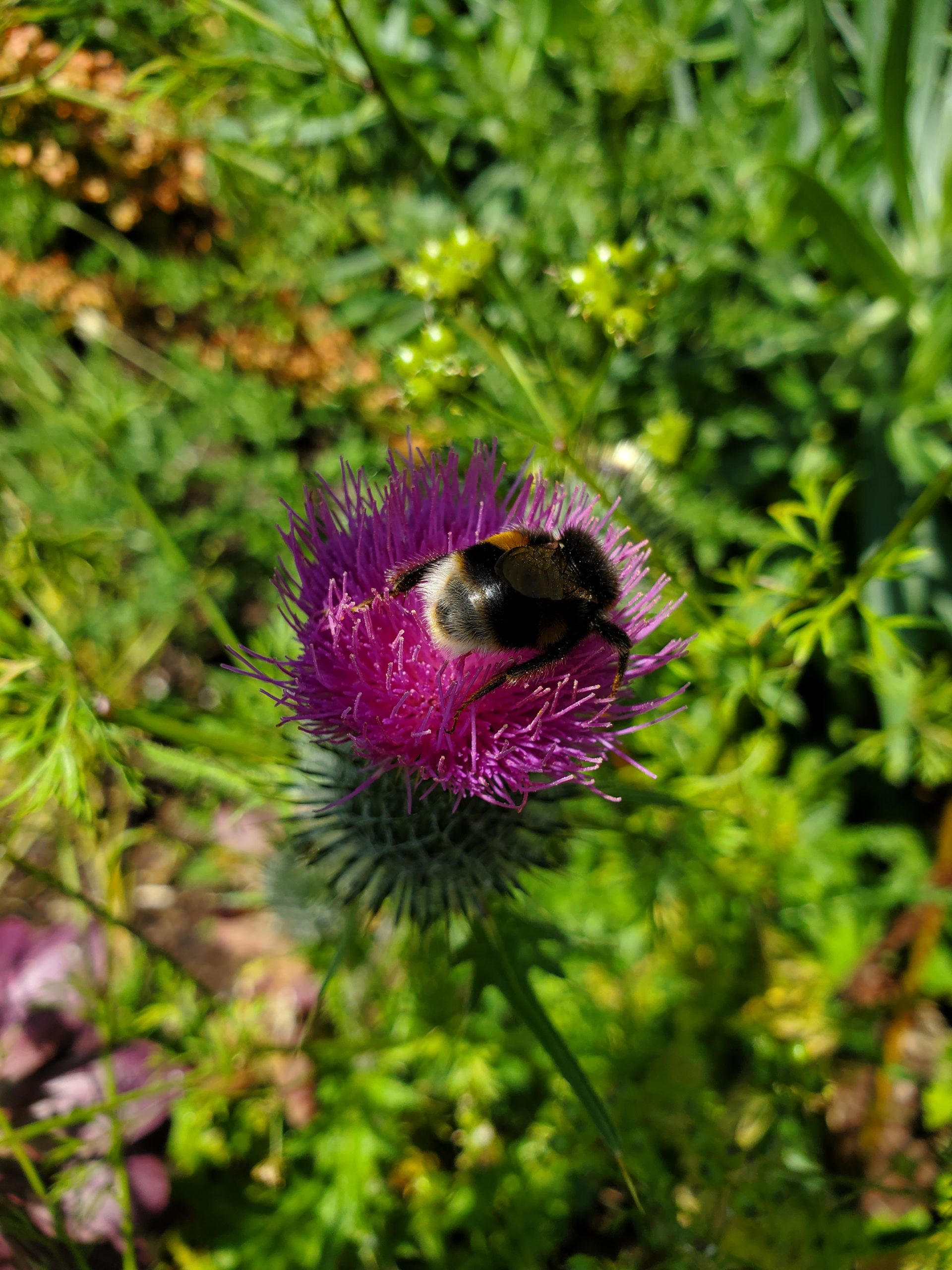
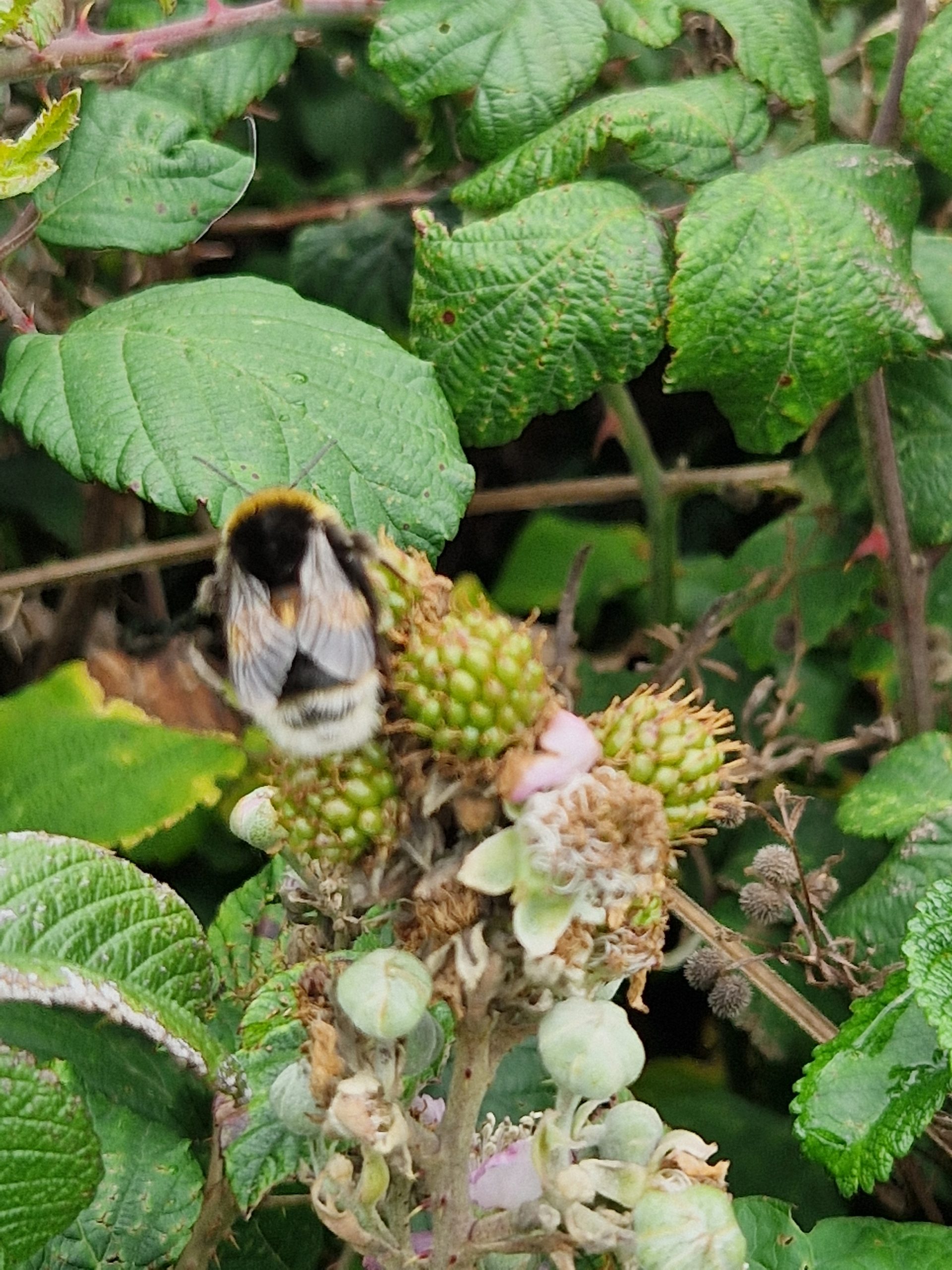
The All-Ireland Bumblebee Monitoring Scheme monitors bumblebees on a monthly basis from March to October each year along fixed 1-2km routes, generating detailed information on bumblebee populations and how they are changing. New volunteers are always needed and beginners are welcome. Find out more here: Bumblebee Monitoring Scheme homepage
Find out more:
Bumblebee Monitoring Scheme homepage
Local communities: actions to help pollinators