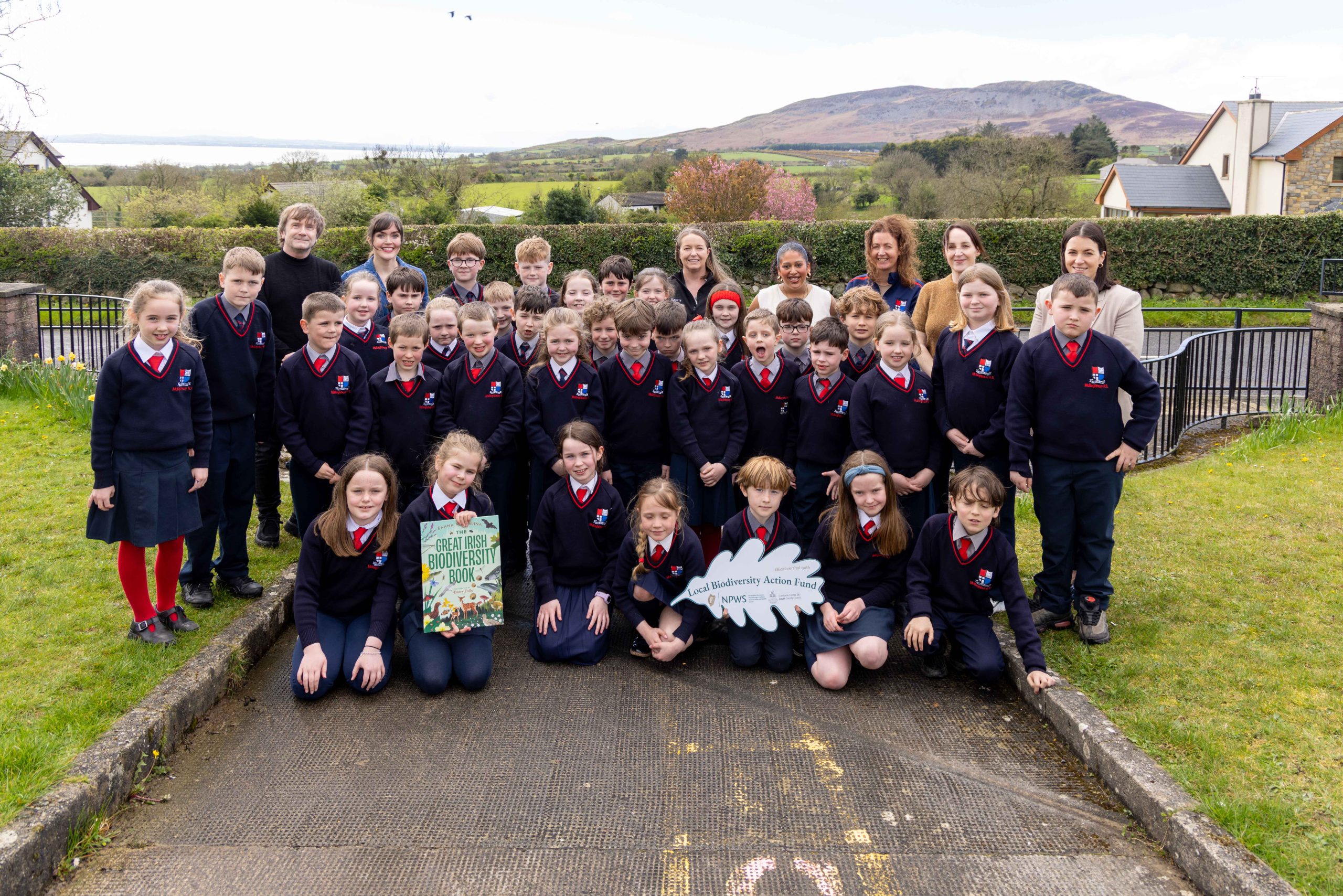
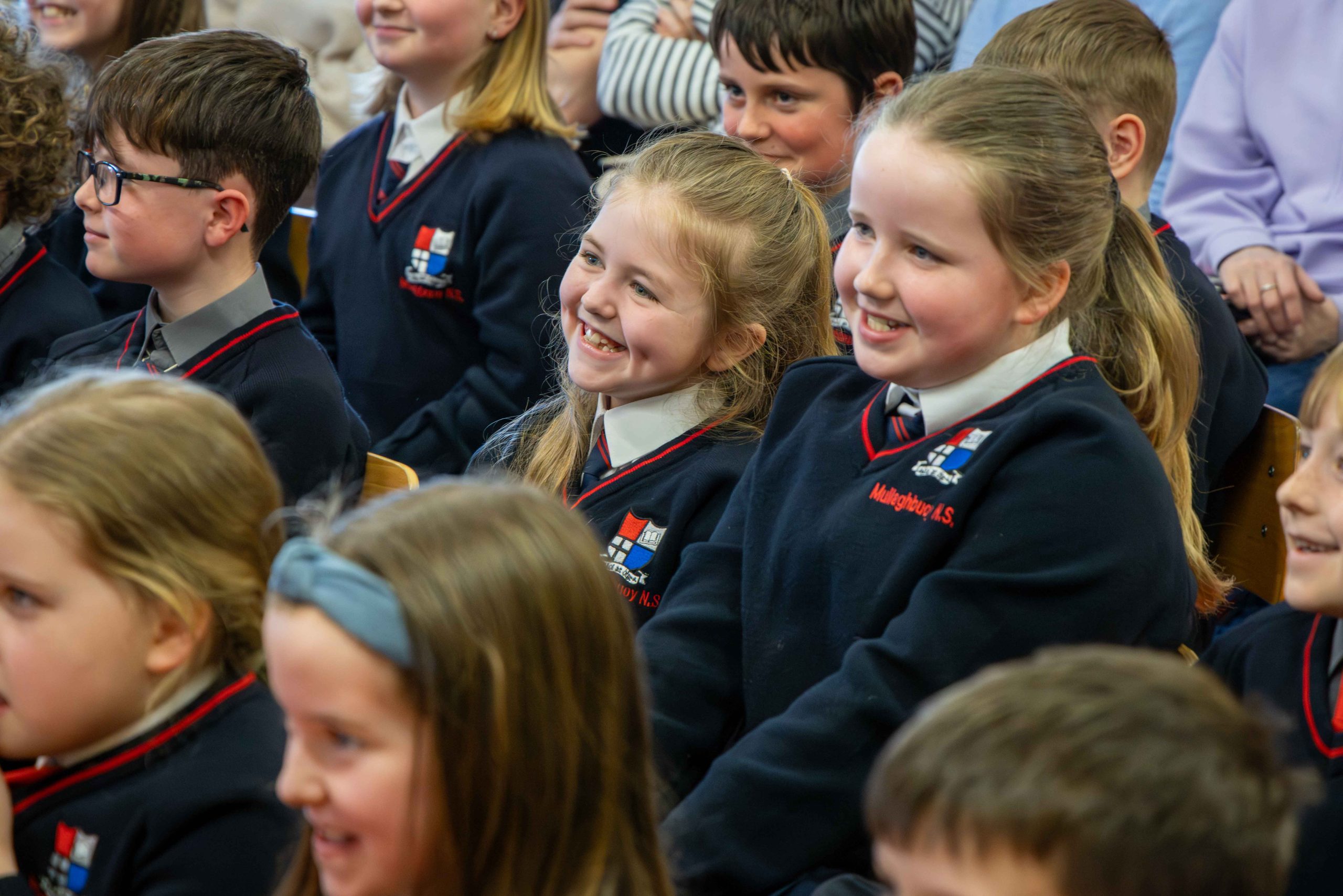
Students from Mullaghbuoy National School and Dundalk Institute of Technology (DKIT), have unveiled a brand‑new short film that puts a spotlight on the magic of our grasslands and encourages each of us to leave space for nature to bloom.
Their film, Meadow Magic, premiered on Monday, 27th April at the 2026 Environ Conference in DKIT, just in time to kick off No Mow May. The timing couldn’t be better, as the film’s central message is simple: when we let parts of our gardens grow wild, we give pollinators and biodiversity a chance to thrive.
Written by Aoibhéann McCann and Paddy C. Courtney and produced and directed by Aoibhéann through her production company Athrach, the film captures young people’s creativity and the beauty of nature on the Cooley Peninsula.
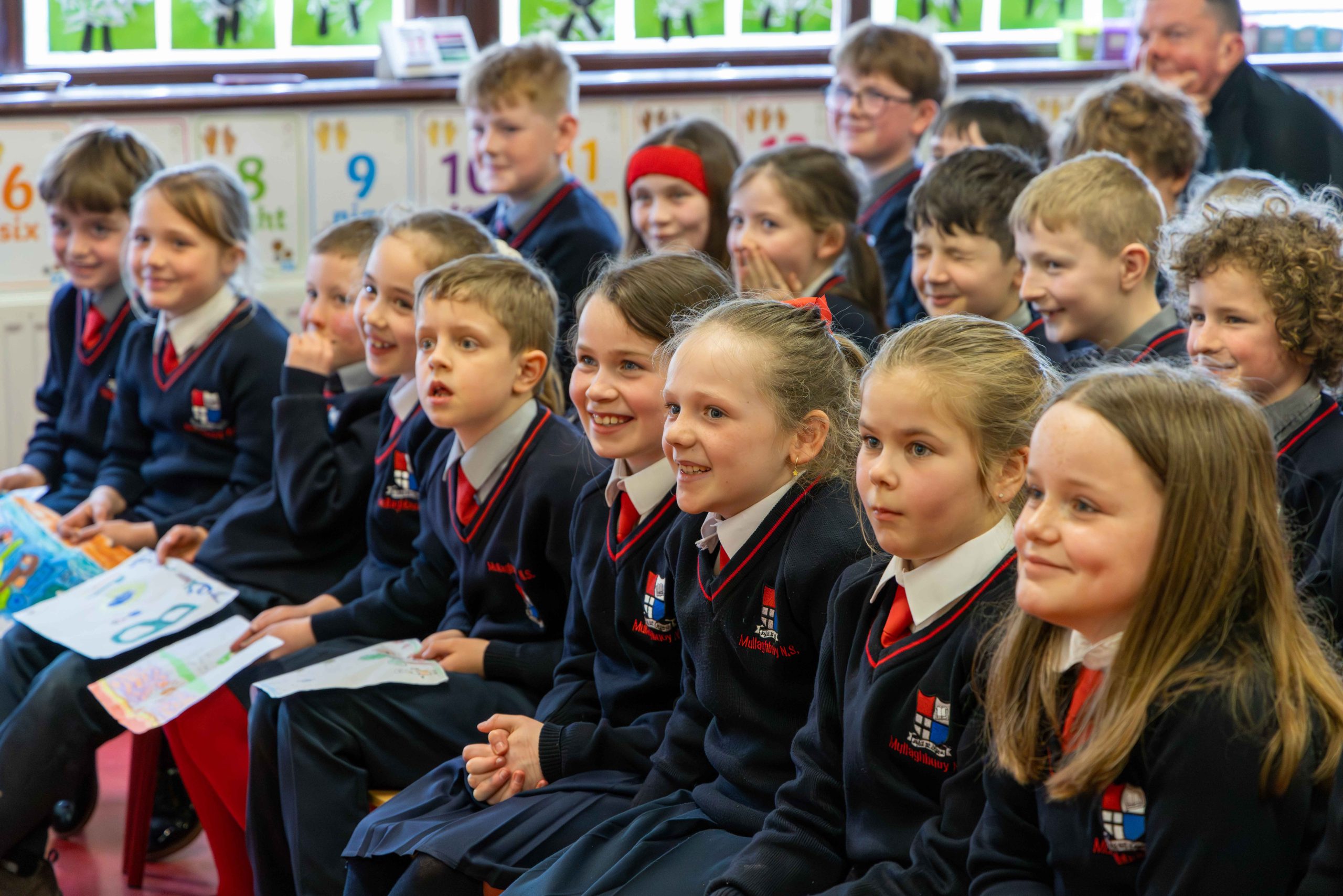
Students aged between seven to ten years old got involved in every element of film production, from acting and scriptwriting to sound, filming and all the behind‑the‑scenes magic. The experience gave them new skills, confidence and a stronger appreciation for the nature that surrounds them every day.
The project was funded by the National Parks and Wildlife Service (NPWS) through the Local Authority Biodiversity Action Fund, in partnership with Louth County Council, with support from DKIT, the All‑Ireland Pollinator Plan, and Ceangal.
Cathaoirleach of Louth County Council, Cllr. Seán Kelly, congratulated the young filmmakers saying:
“Our natural environment is at the heart of what makes Louth such a special place and looking after it is a responsibility we all share. What the students of Mullaghbuoy and the fantastic school, creative and technical teams around them have achieved highlights this. Their film reminds us how alive our meadows, gardens and green spaces can be when we simply give nature a bit of breathing room.
Young people in Louth are speaking up loud and clear about protecting wildlife and pollinators, and it’s so important that we listen and more importantly act. So, this No Mow May, let a patch of your garden or green space grow wild and experience a bit of Meadow Magic for yourself.”
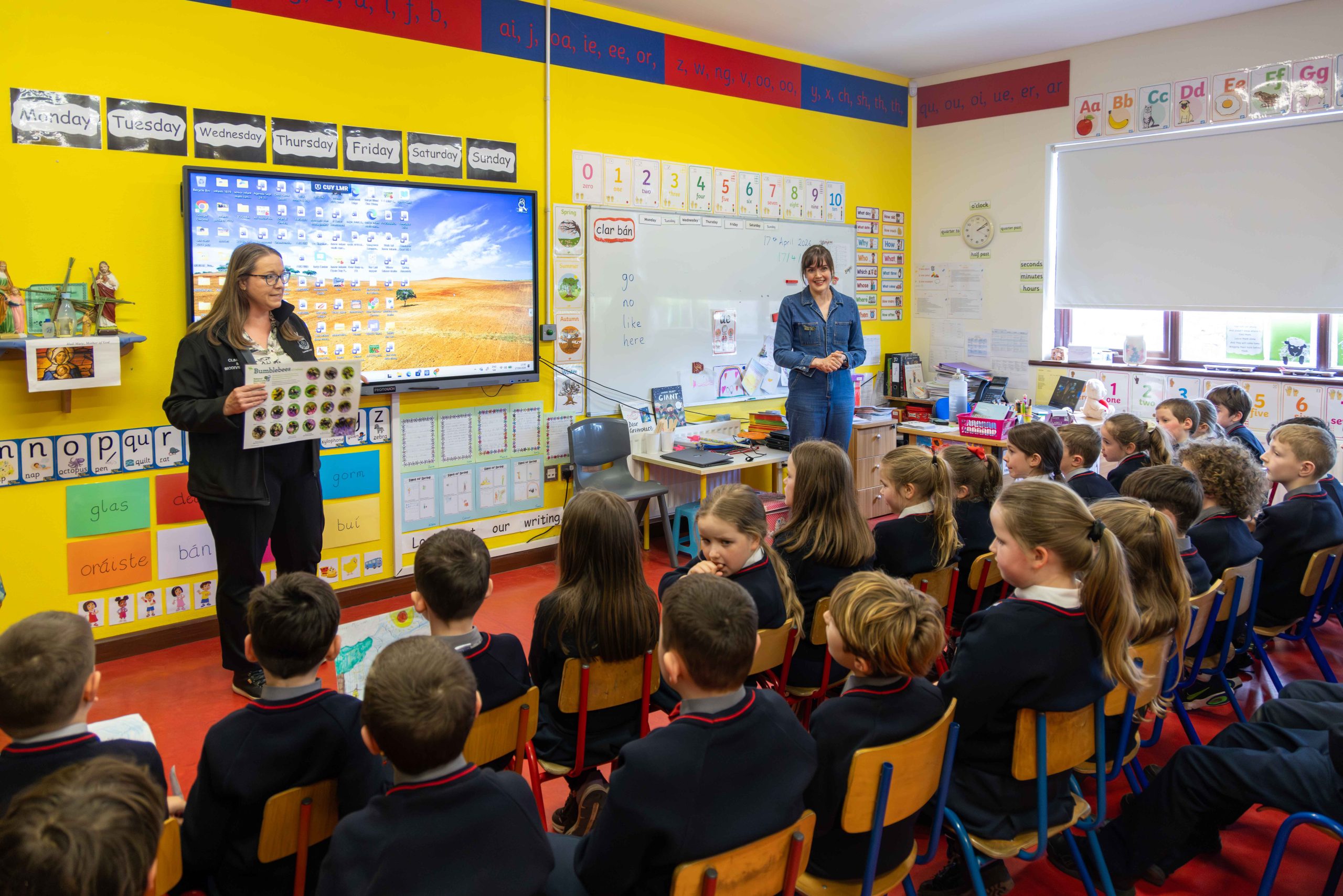
Aoibhéann McCann, co-writer, producer and director, said:
“Coming back to my old school on the Cooley Peninsula has been such a joy. The students brought incredible energy and imagination to this project. I’ve always believed in the power of the arts to spark change, especially when it comes to climate action. Watching them take ownership of this story and seeing their excitement about protecting nature has been truly inspiring.”
Helen Hanratty, Biodiversity Officer with Louth County Council added:
“We are delighted to support this project. One third of wild bee species in Ireland are sadly threatened with extinction. This is mainly because we have drastically reduced the amount of food and safe nesting sites that support them.
Biodiversity thrives when we make space for it, whether that’s a park or field meadow, a garden corner left uncut, or a school grounds project like this one. By mowing less, we allow native Irish wildflowers like clover, dandelions and bird-foot trefoil to grow naturally, no seeds needed. These wildflowers provide the best source of pollen and nectar for our native bees, butterflies and other pollinators. Creating places where nature can grow freely benefits everyone, and this film is a brilliant reminder of the positive impact local communities can have.”
Principal of Mullaghbuoy National School, Siobhán McClean said:
“The children absolutely loved being part of this film. They learned so much, not just about biodiversity, but about teamwork, creativity and believing in their own ideas. We are very proud of their hard work and grateful to all the partners who supported the project.”
Meadow Magic is now available to watch and share on Louth County Council’s YouTube channel: Meadow Magic
About No Mow May
No Mow May is an annual campaign started by Plantlife in the UK, asking everyone to put away the lawnmower during the month of May to help our native wildlife.
On the island of Ireland, one third of our wild bees are threatened with extinction. This is mainly because of hunger, there isn’t enough food, nectar and pollen to support them in our landscape. Native Irish wildflowers like dandelions, clover, and birds-foot trefoil provide the best source of pollen and nectar for our hungry wild pollinators. By mowing less, we can give them a chance to appear naturally, no seeds needed!
Mowing less all summer is one of the best things you can do to help pollinators. Unmown areas allow meadows to form naturally creating a network of places where pollinators can survive and thrive.
Find out more
Film: Meadow Magic