Every year, the National Biodiversity Data Centre receives hundreds of records of bee sightings from all over the island of Ireland.
In 2025, 1,728 bee records were submitted, including information about what the bee was feeding on. A huge thank you to everyone who sent in sightings.
Wild bees are in trouble mainly because of hunger: there are not enough of the plants that provide the best source of pollen and nectar. So, this data is hugely important in helping us create a menu of flowers that we know they love.
Here are the top ten favourite food sources for bees in 2025, in order of the number of sightings submitted:
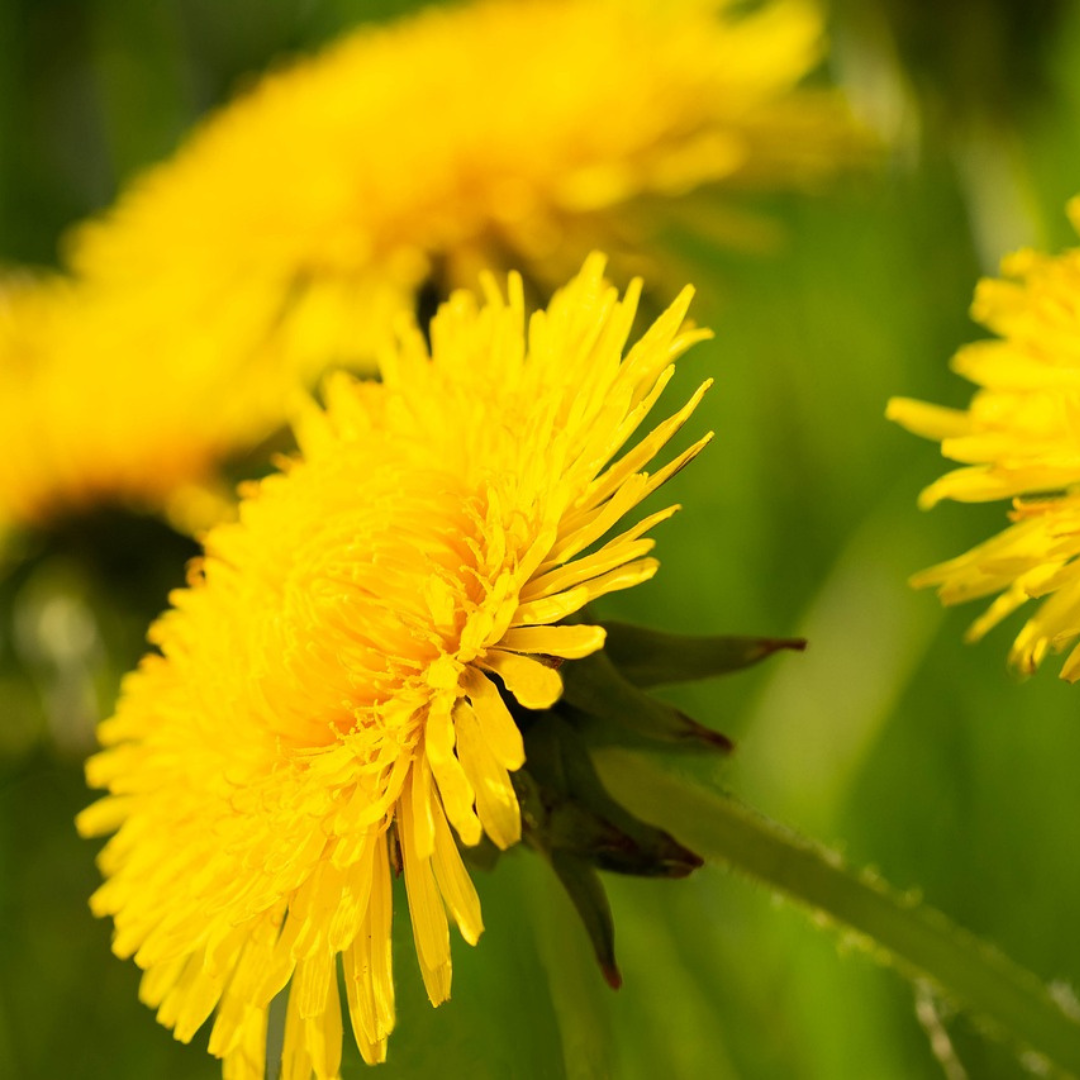
- Dandelion
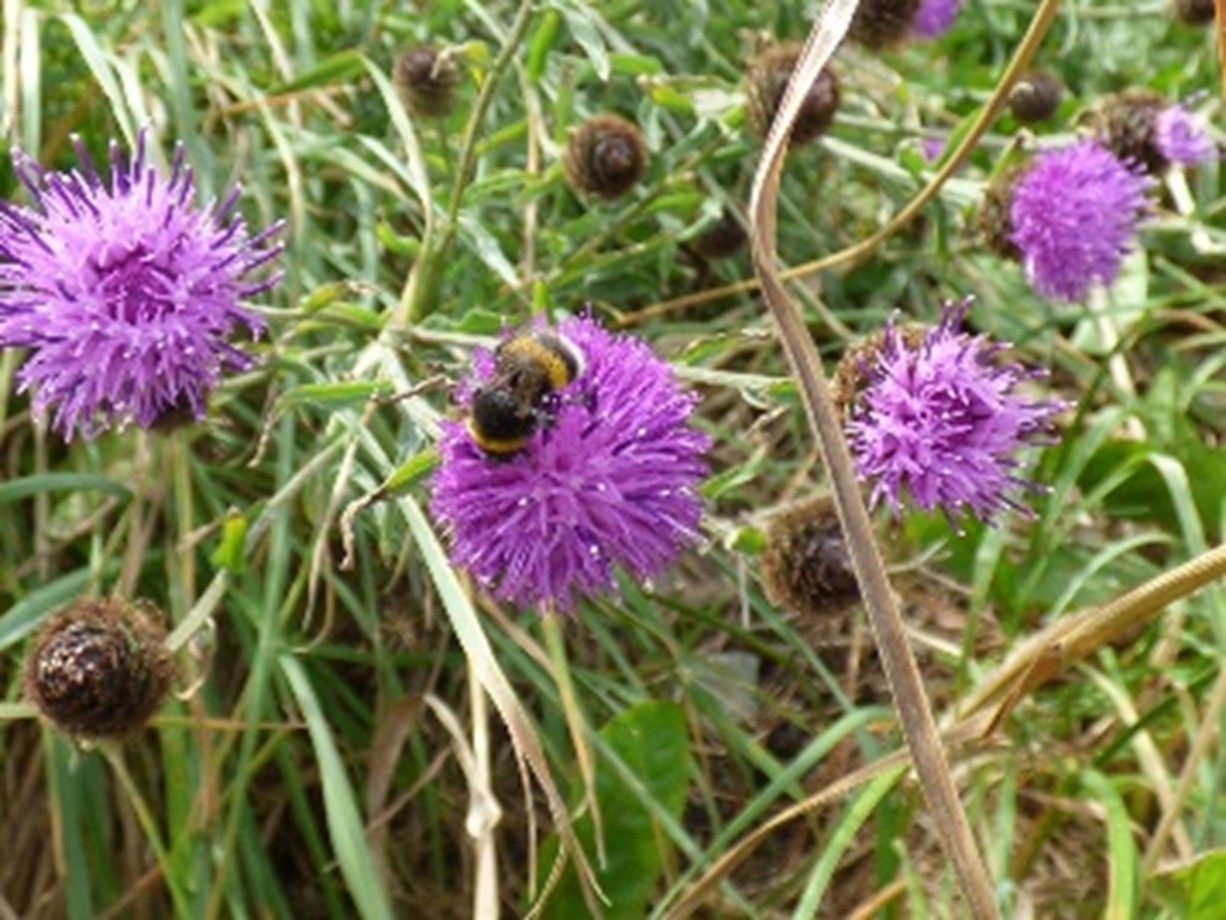
- Knapweed
- Thistles
- Bramble
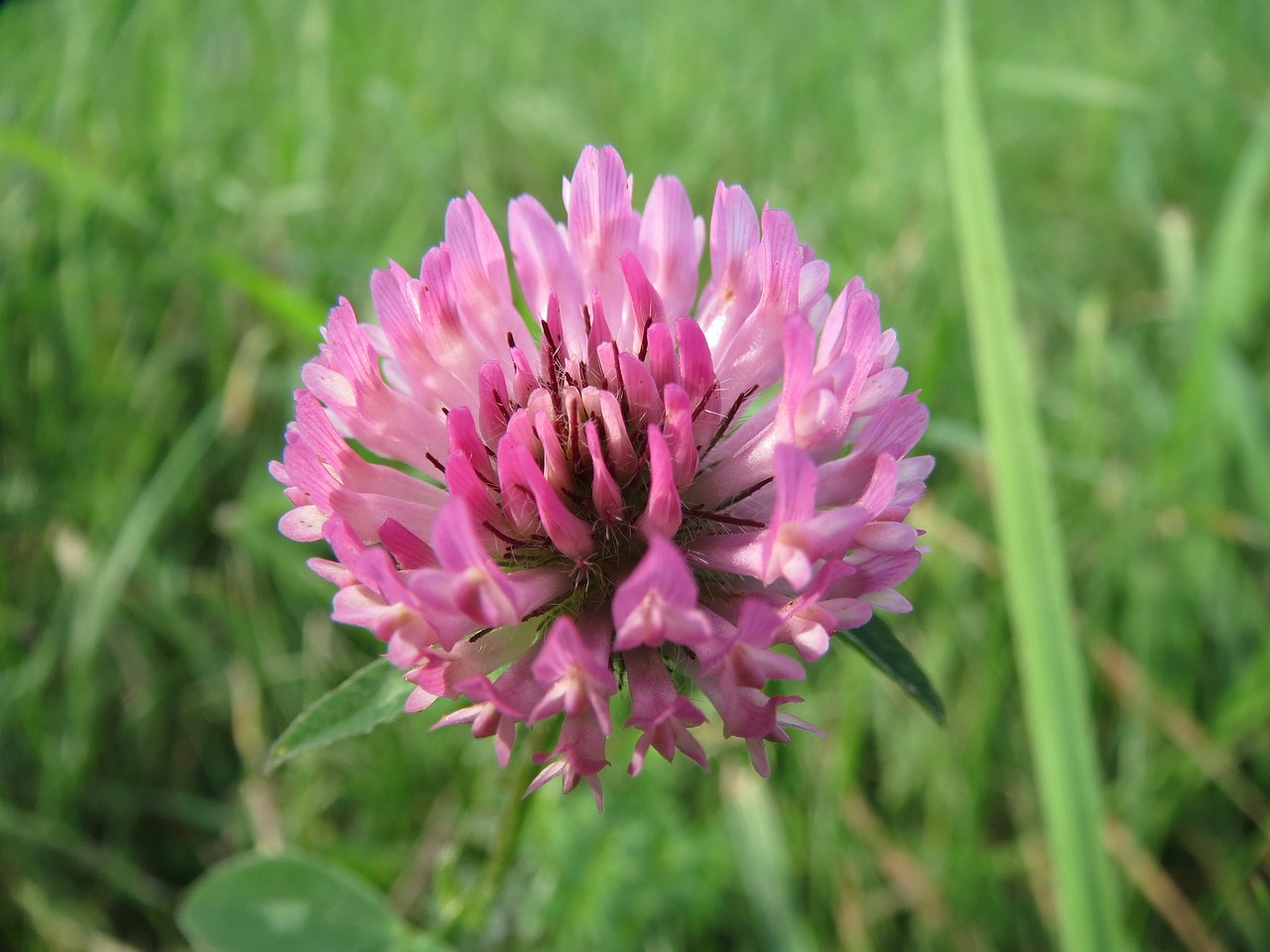
- Clovers (Red & White)
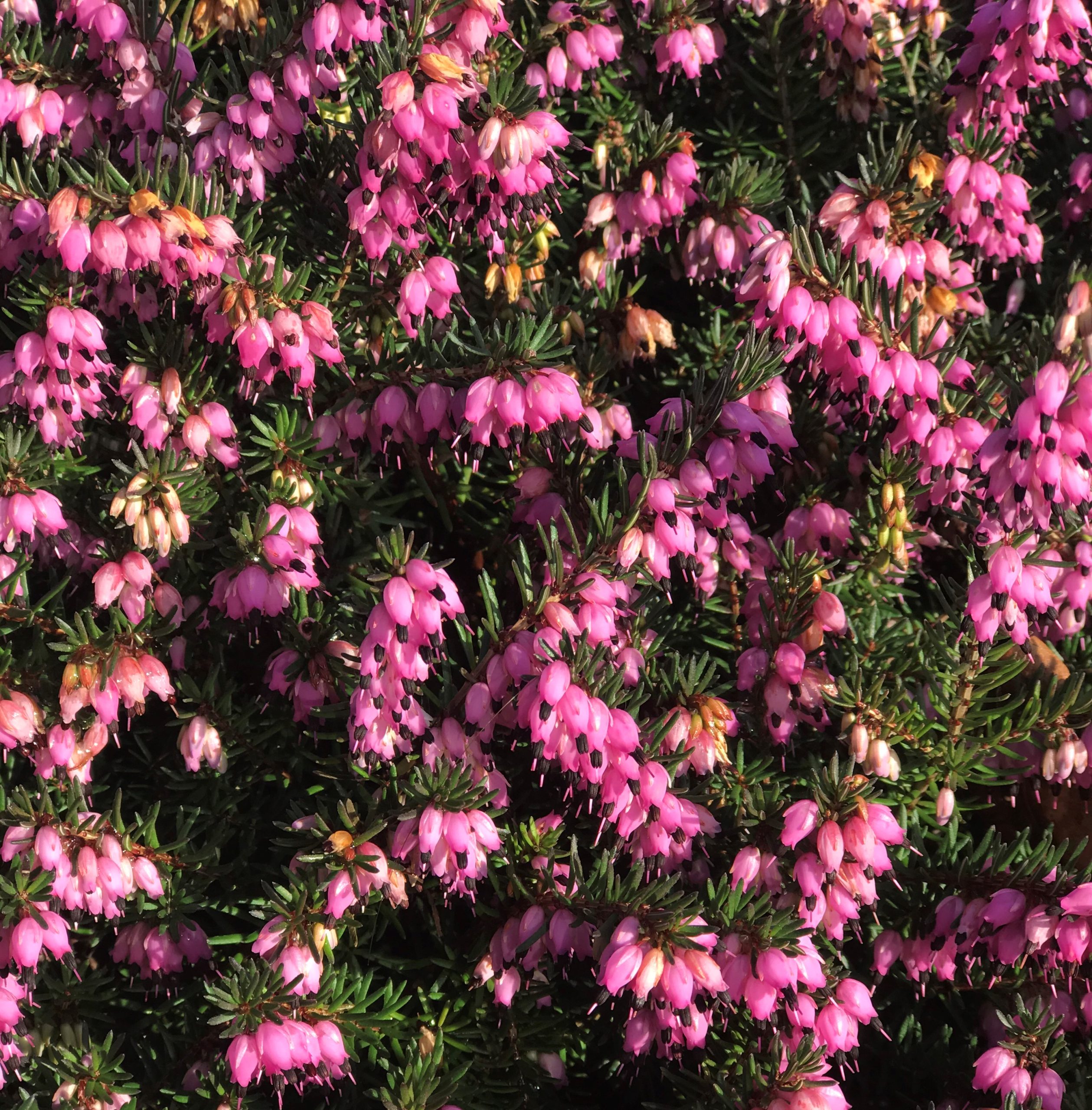
- Heather (garden and native)
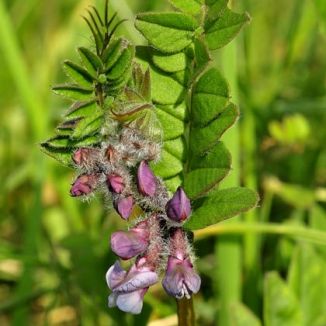
- Vetches
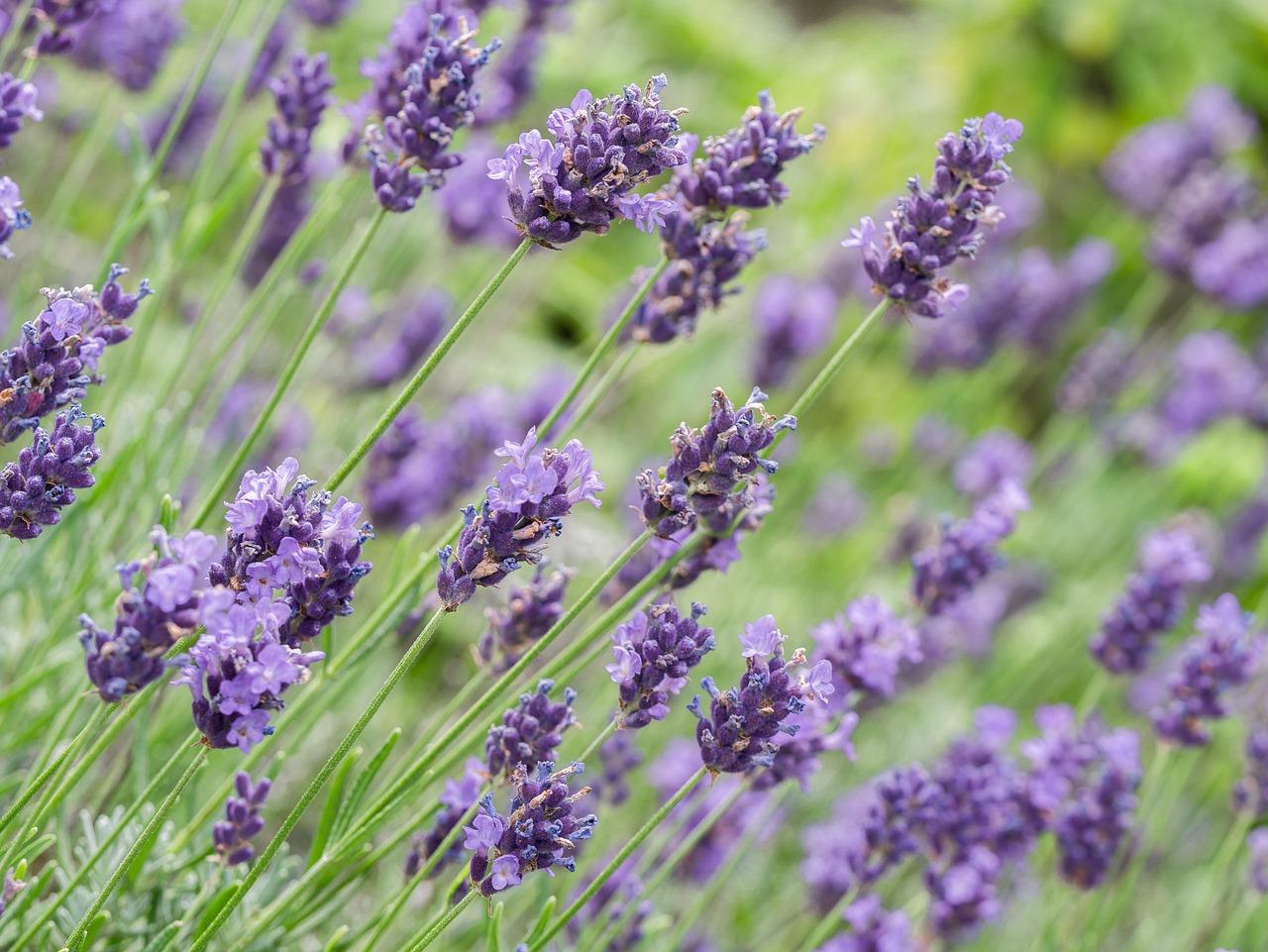
- Lavender
- Bird’s-foot-trefoil
- Comfrey
Most popular plants each month in 2025
We can also see which flowers are more popular at different times of year. It is important that pollinators have a good source of nectar and pollen throughout their lifecycle (usually February – October).
Native species are always best for our pollinators, as they have evolved alongside each other. But in the right settings, non-native ‘ornamental’ plants can help provide additional sources of food.
Below, you can see the plants most commonly foraged on by bees each month in 2025 (starting with the most popular, descending from left to right).
|
Month |
Most important food plants (in descending order) |
|
February |
Garden Heathers, Crocus, Hellebore, Willow, Lungwort |
|
March |
Dandelion*, Garden Heathers, Willow, Flowering Currant, Rosemary |
|
April |
Dandelion***, Rosemary, Blackcurrant, Bush Vetch, Willow |
|
May |
Bush Vetch, Dandelion, Bird’s-foot-trefoil, Bramble, Red Clover |
|
June |
Bramble, White Clover, Lavender, Catmint, Red Clover |
|
July |
Knapweed, Ragwort, Lavender, Creeping Thistle, Spear Thistle |
|
August |
Knapweed**, Spear Thistle, native Heathers, Lavender, Meadow Vetchling |
|
September |
Devil’s-bit Scabious*, Sedum, Comfrey, Lavender, Ragwort |
|
October |
Ivy*, Ragwort, Verbena, Aster, Creeping Thistle |
* indicates where this was a clear favourite over the other species (based on the data received). Wild bees are typically active from February until October.
How you can help
Help wild bees by growing the top ten plants listed above. It’s often as simple as doing nothing, avoiding pesticides, and letting nature take its course!
|
|
Plant name |
Flowering season |
How to grow |
|
|
Dandelion (native) |
Spring |
Don’t mow, let it grow! These native wildflowers are one of the best sources of food for pollinators. All you need to do is give them a chance. Let them grow up between cracks in your patio, or in your lawn (even strips here and there will do). |
|
|
Knapweed (native) |
Summer/Autumn |
Don’t mow, let it grow! These native wildflowers are one of the best sources of food for pollinators. Let Knapweed grow in your lawn. If it doesn’t appear naturally with reduced mowing, you could collect some seed locally in August. |
|
|
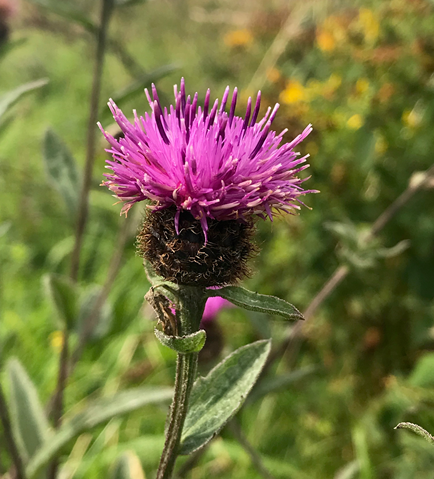
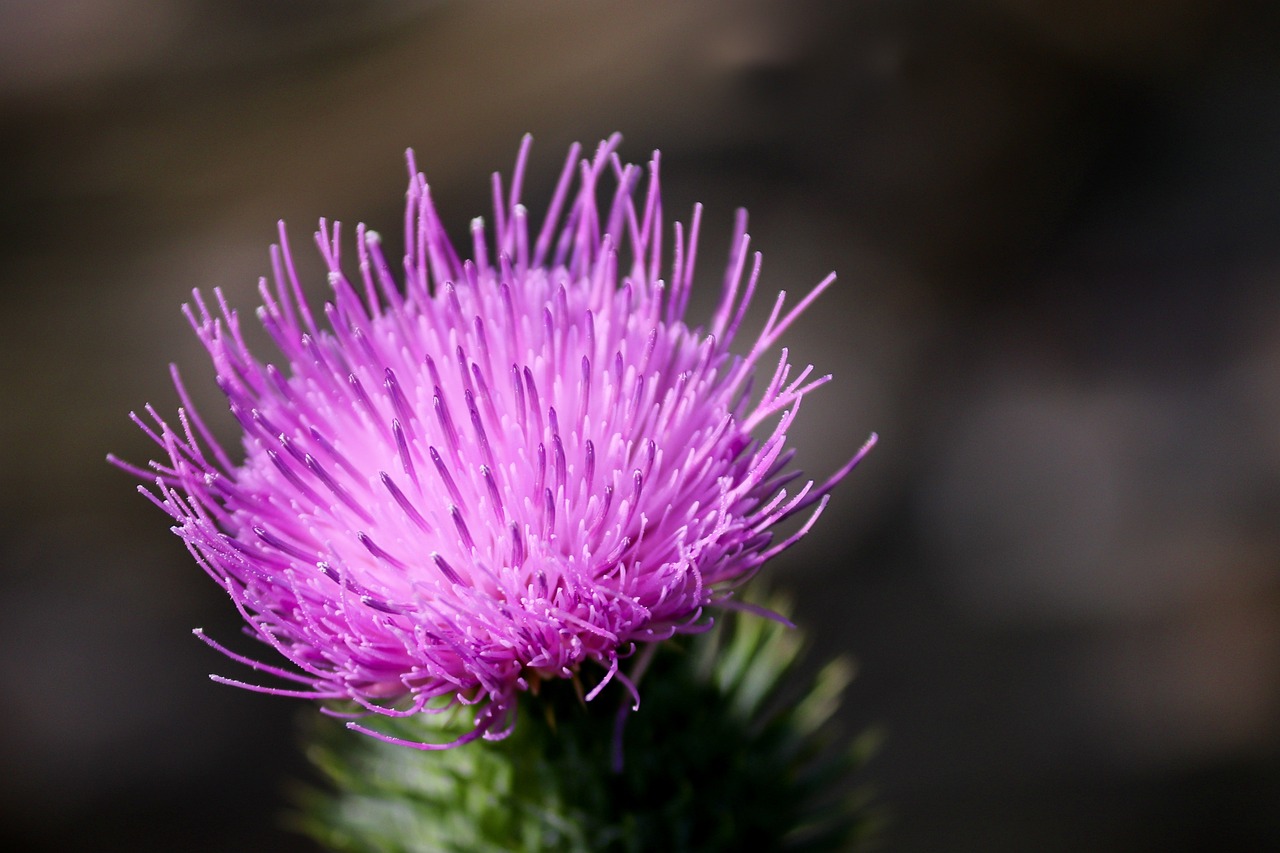
Thistles (native)
|
Summer/Autumn |
Thistles often appear naturally in unmanaged areas. If you have space, allow some to grow. They are a great source of food for pollinators in summer and the seeds feed many birds in autumn. |
|
|
Bramble (native) |
Summer |
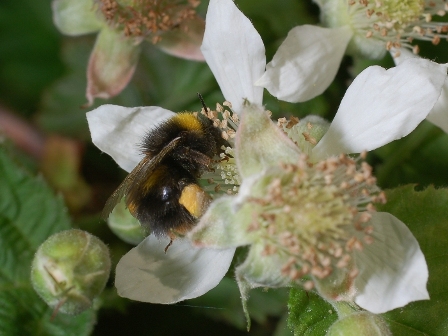
Let bramble grow in hedgerows and in wild areas. The blossom will provide bees with nectar and pollen, and in the autumn, juicy blackberries can be eaten by other creatures (including humans!) |
|
|
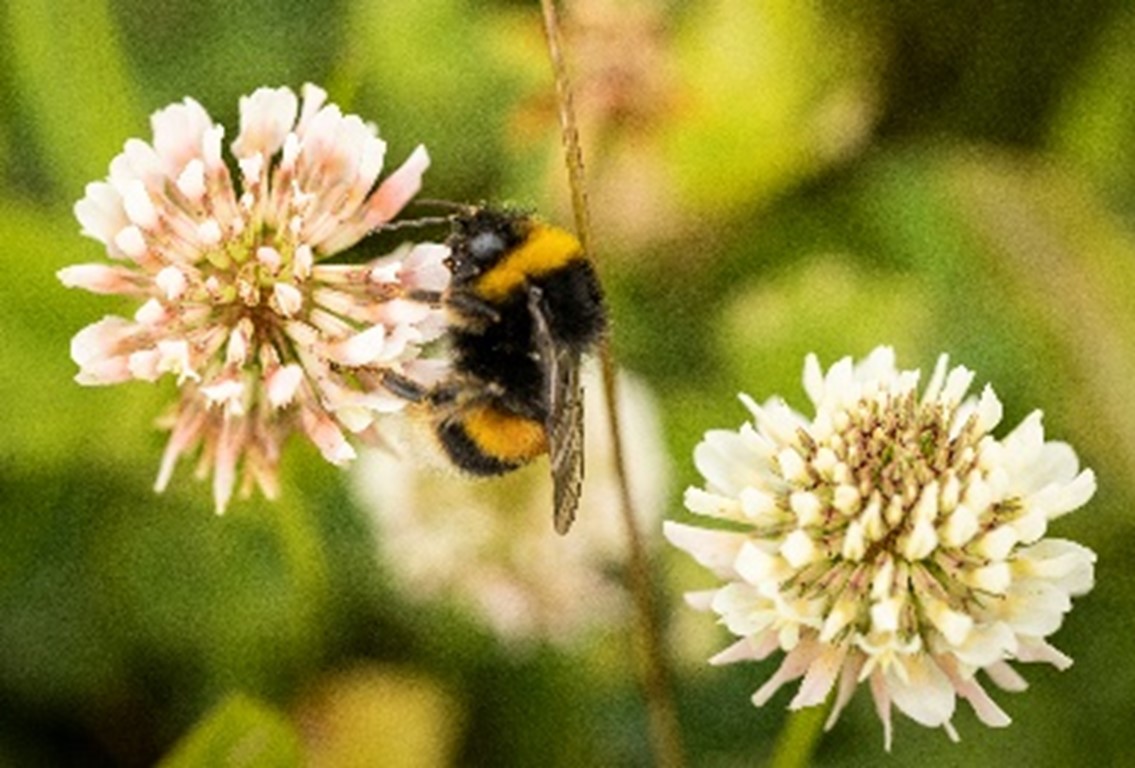
Clovers – Red & White (native) |
Spring/Summer |
Clovers will grow naturally in most lawns if you reduce mowing. Take part in No Mow May, and then cut just once a month from June-August. |
|
|
Heather (native and non-native) |
Spring/Summer/ Autumn/Winter |
Heather can be an important garden plant – buy in a garden centre. Avoid those that have been artificially sprayed different colours. Native Heathers flower in bogs and heaths in late summer, showing the importance of this habitat for pollinators. |
|
|
Vetches (native) |
Spring/Summer |
Vetches like Bush Vetch will grow naturally in unmanaged areas and in many lawns if you reduce mowing (Pic: Zoë Devlin). |
|
|
Lavender (non-native) |
Summer |
Lavender is an important garden plant as it is rich in pollen and nectar. It can be found in garden centres. Avoid plants that have been treated with pesticides. |
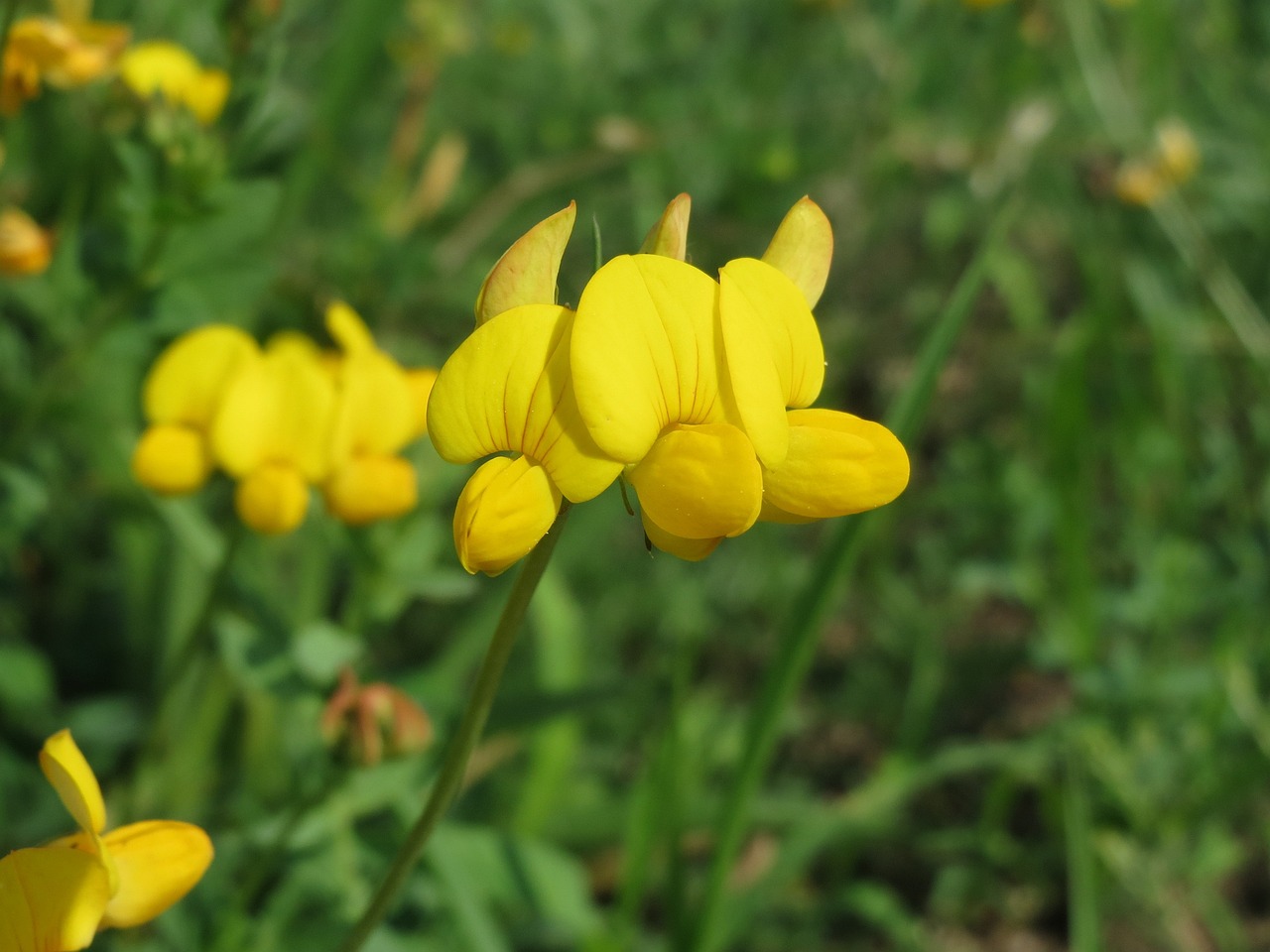 |
Bird’s-foot-trefoil (native) |
Spring/Summer | Bird’s-foot-trefoil will grow naturally in most lawns if you reduce mowing. Take part in No Mow May, and then cut just once a month from June-August. |
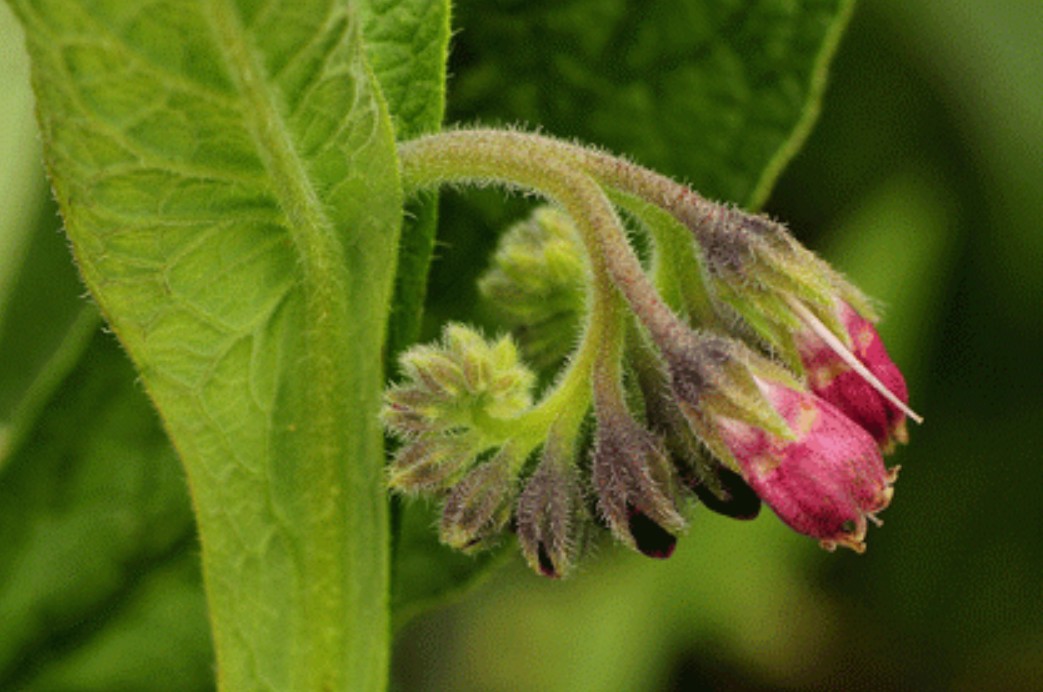 |
Comfrey (non-native) | Summer | Comfrey is a perennial, probably introduced, and belongs to the Borage family. It can be found in garden centres. Avoid plants that have been treated with pesticides. (Pic: Zoë Devlin). |

Help us by sending in your sightings
It is important that we stay aware of Ireland’s bees and what they are feeding on. This helps us track changes in their behaviour and understand the best way to help them.
You can help by submitting any sightings of bees to the National Biodiversity Data Centre here: Start recording (biodiversityireland.ie)
Find out more
Top Ten Ways to Help Pollinators