Are new woodlands good for nature? Pollinators can help us find out. Kate Harrington, an ecologist and post-doctoral researcher based at Trinity College Dublin tells us about her research.
This blog is part of the ‘Dispatches from Researchers’ series, which features guest articles written by experts in pollination and related fields.
Planting trees is often seen as a win-win for nature and the climate, with new native woodlands created across Ireland to tackle biodiversity loss and climate change. While we know that mature woodlands support a range of specialist species, we know much less about young woodlands, and how biodiversity changes as they develop.
Biodiversity can be measured in many different ways – we can simply count the number of species or their abundance, or we may look at the identity and characteristics of the species present, or how they interact with their environment. The sampling methods we use can also affect the results we see. As part of a wider research study, we examined how different ways of measuring pollinating insects, specifically bees and hoverflies, can inform our understanding of biodiversity change in newly planted native woodlands.
What pollinators can tell us
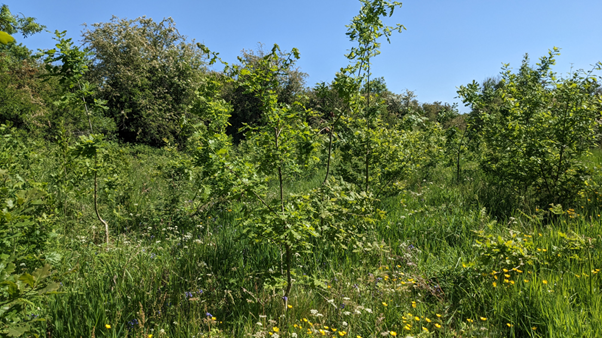
We studied bees and hoverflies in newly planted native woodlands of different ages. At first glance, the total number of pollinator species didn’t change much as woodlands matured. But when we looked more closely, we could see that species with a preference for grassland declined as tree cover increased, while woodland-associated species were slow to appear. This isn’t surprising; these were still young woodlands with limited deadwood and few of the microhabitats favoured by woodland species. Nevertheless, we could see that pollinator communities changed who was present, even when total numbers stayed similar.
Not all pollinators respond the same way
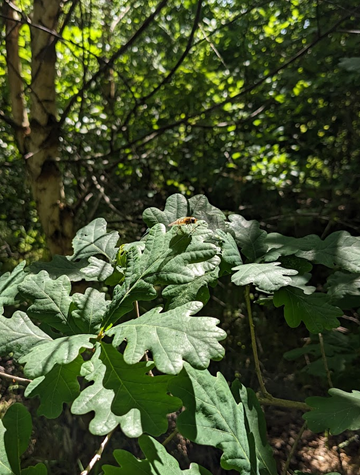
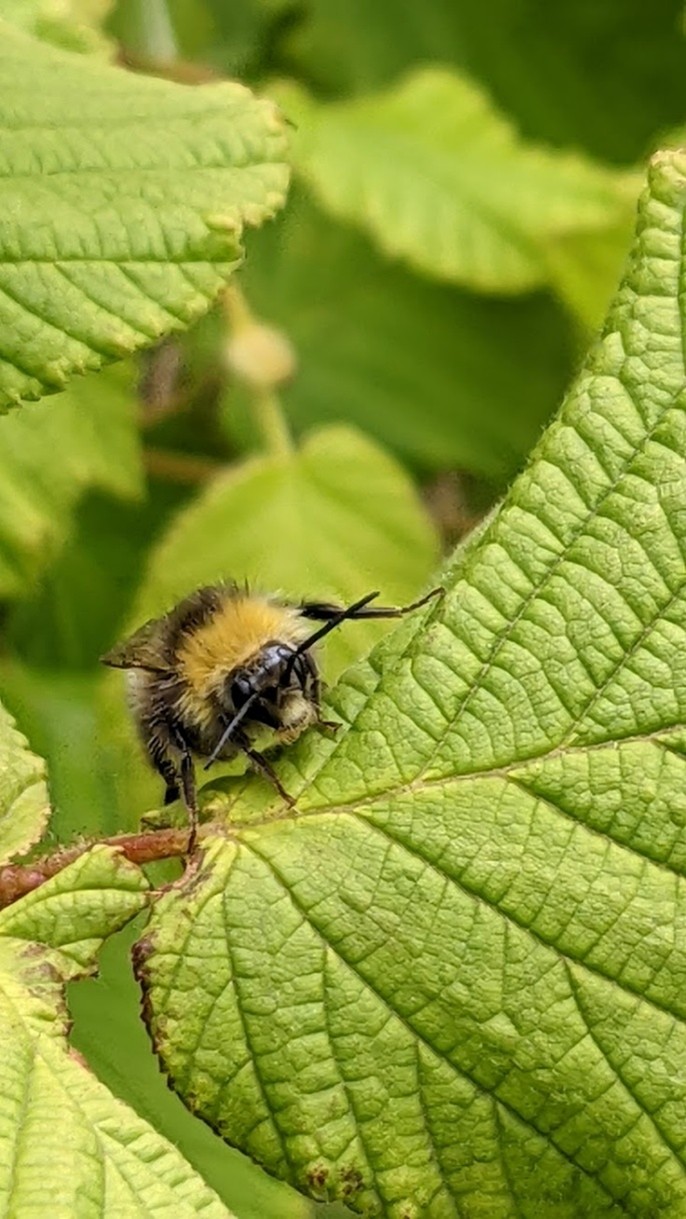
The changes in the bee community may be explained by what was happening within the woodland itself, such as the age and size of the woodland, while changes in the hoverfly community were more influenced by the surrounding landscape, and were less common where there was more intensive farmland in the surrounding area. This difference likely reflects their biology – bees forage close to their nests because they must return to them, while hoverflies do not have a fixed “home”. As a result, bees appear to be particularly useful for tracking how individual woodland sites are developing.
With so many new woodlands being planted, and some being monitored to demonstrate biodiversity gains, it’s important to choose indicators that actually reflect change at the site itself. Our study shows that tracking changes in bee community composition, rather than simple species counts, can be a useful way to do this.
Edges matter
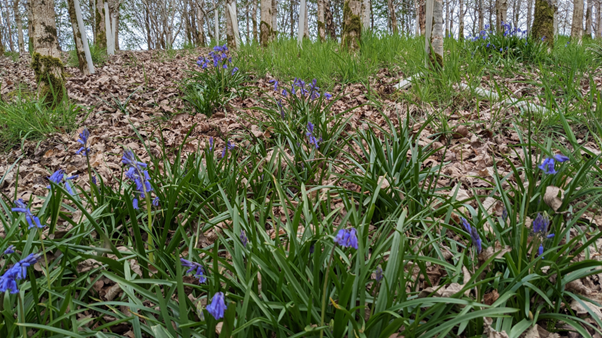
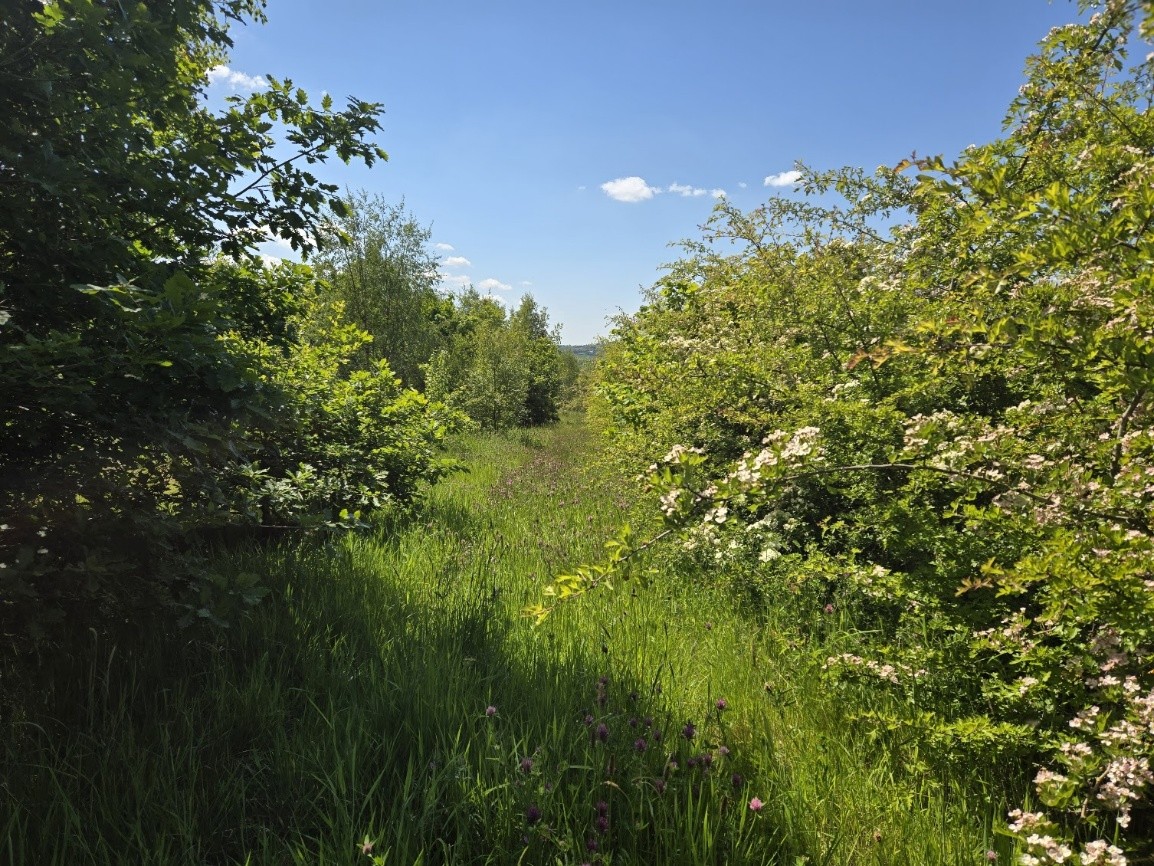
Woodland edges were especially important for pollinators. Edges provided more consistent flowering resources than woodland interiors and acted as links to hedgerows and farmland. How woodland boundaries are designed and managed can make a big difference for insects. The woodlands we studied were planted under the Native Woodland Scheme, which encourages the planting of flowering trees such as Hawthorn, Apple, Willow and Cherry, around woodland edges. Combined with similar trees in largely unmanaged hedgerows, these features provide important early spring resources for pollinators, particularly solitary bees, in young woodland sites.
What this means for conservation
It takes time for newly planted native woodlands to support a full range of woodland specialists. But that doesn’t mean young woodlands lack value. In their early years, they can provide important resources for pollinators and other wildlife, especially when they are well designed and connected to the surrounding landscape.
As tree planting accelerates, it’s crucial that we measure biodiversity in ways that reflect real ecological change. Our research shows that pollinators, particularly bees, can help us track whether new woodlands are truly working for nature.
About the author
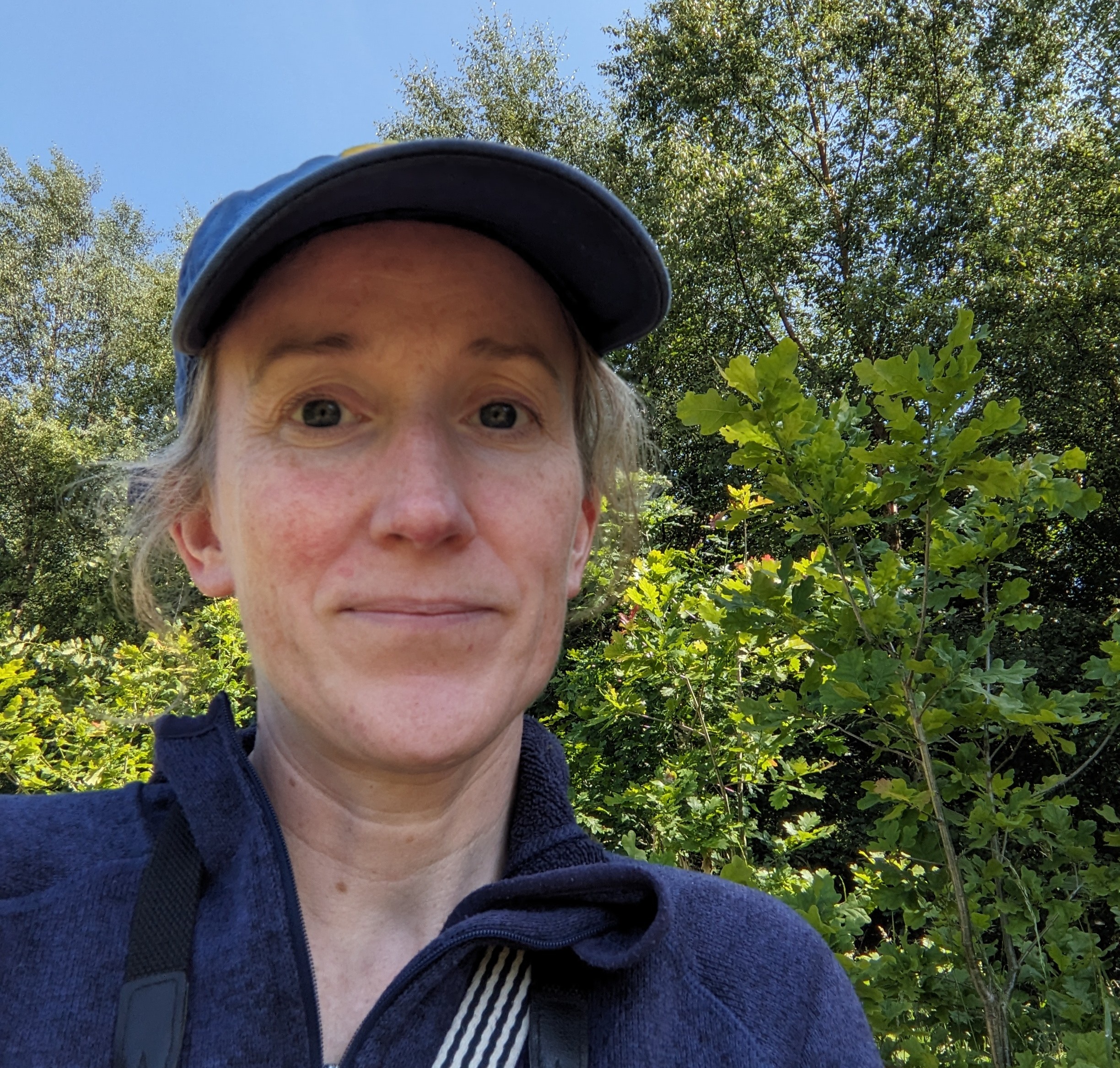
Kate Harrington is an ecologist and post-doctoral researcher based at Trinity College Dublin. Following early-career experience in ecological research, she spent several years working in environmental consultancy on infrastructure delivery and biodiversity enhancement projects, before joining Uisce Éireann in 2015 as an ecological specialist.
Motivated by a strong interest in advancing nature recovery, Kate returned to academia in 2021 to undertake a PhD as part of the FOREST project, examining biodiversity outcomes from native woodland plantations in agricultural landscapes. Her research investigated how these outcomes are measured and monitored, and explored how available data and expert knowledge can be used to address gaps in our understanding of planted forest biodiversity.
She is currently working as a post-doctoral researcher on the REFARM project, bringing together her practical and research experience to design monitoring approaches that work for nature, farmers, and project funders.
Find out more
Research paper: Pollinator communities as indicators of ecological change in developing woodlands
All-Ireland Pollinator Plan flyer: Planting trees for pollinators