
Riverwood Biodiversity Group in Castleknock, Dublin, discovered two species of orchid growing in their no-mow verge this summer. In this guest blog, they tell us how reducing mowing helped these beautiful wildflowers grow naturally
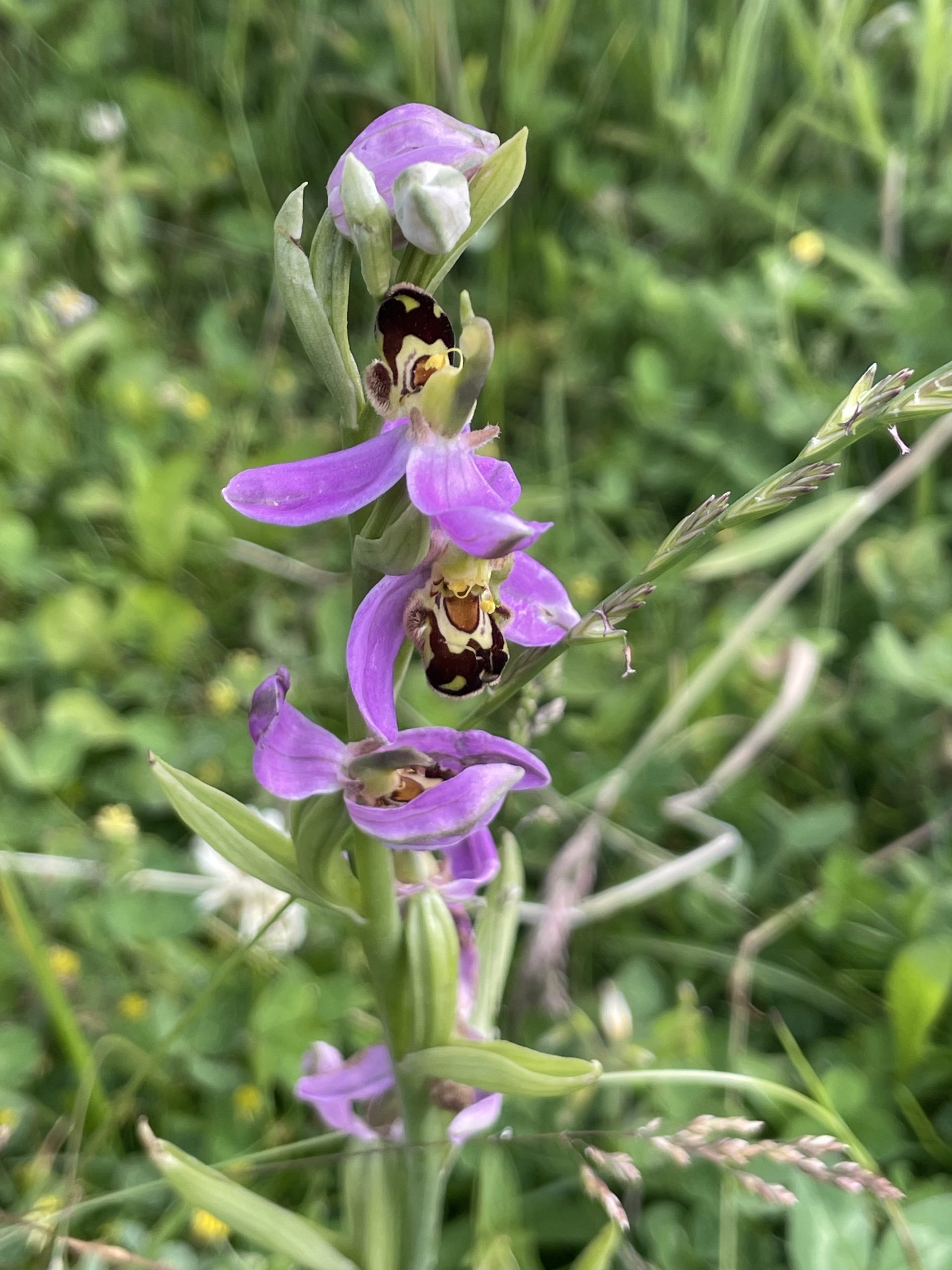
A win for biodiversity in Riverwood, Castleknock, with two new IUCN Red Listed orchid species discovered growing on a No Mow Verge
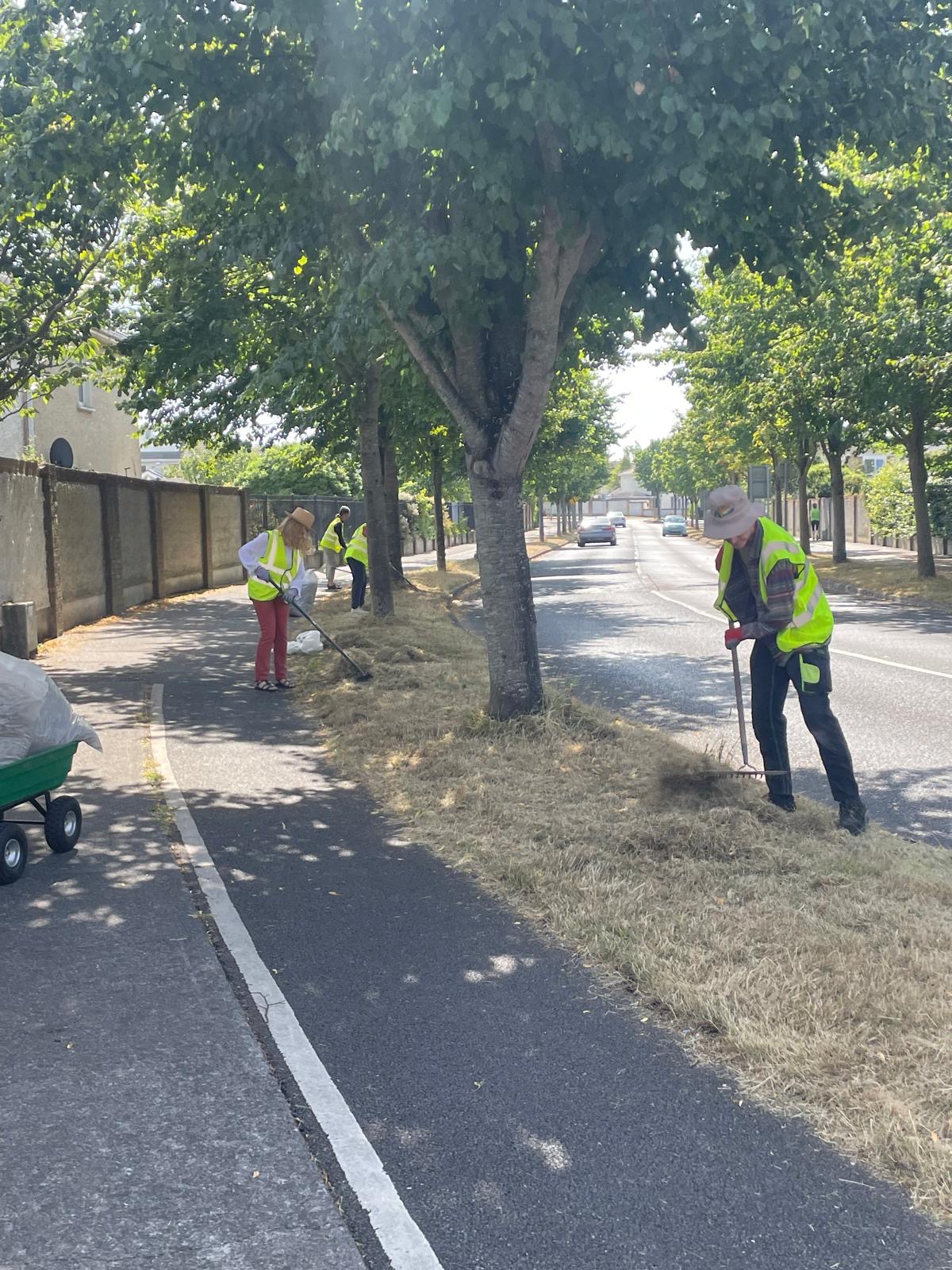
In 2025, Riverwood Biodiversity Group together with Fingal County Council’s Dublin 15 Operations Crew, started managing a ‘No Mow’ verge on Riverwood Road, Castleknock, Dublin 15. We couldn’t believe it when in the first year we saw Pyramidal Orchids (Anacamptis Pyramidalis) growing for the first time in a public space in Riverwood.
In 2026, we had even more Pyramidal Orchids and unbelievably, had two Bee Orchids (Ophrys Apifera) growing in the verge. Both these species are IUCN1 Red Listed species so this is a tremendous win for both our community and nature in just two years. The International Union for the Protection of Nature Red Data books list species facing extreme pressure and it allocates an IUCN Red Data Book category to both of these species. Any species that is IUCN Red Data Book listed is extremely important and we are very proud to have facilitated the return of the Pyramidal Orchid and Bee Orchid to Riverwood’s public spaces.
Reducing mowing and leaving areas of long grass to help wildflowers grow naturally is an initiative of the All-Ireland Pollinator Plan. The Irish Government has produced its fourth National Biodiversity Action Plan (2023-2030), and our small action is thus part of a bigger national and global picture. Today in Ireland, 30% of our bee species are facing extinction, 21% of our breeding bird species and 52% of our wintering birds are in decline. We need a space for insects to breed, rest and feed and then in turn, pollinate and also become a prey source for animals such as bats and birds.
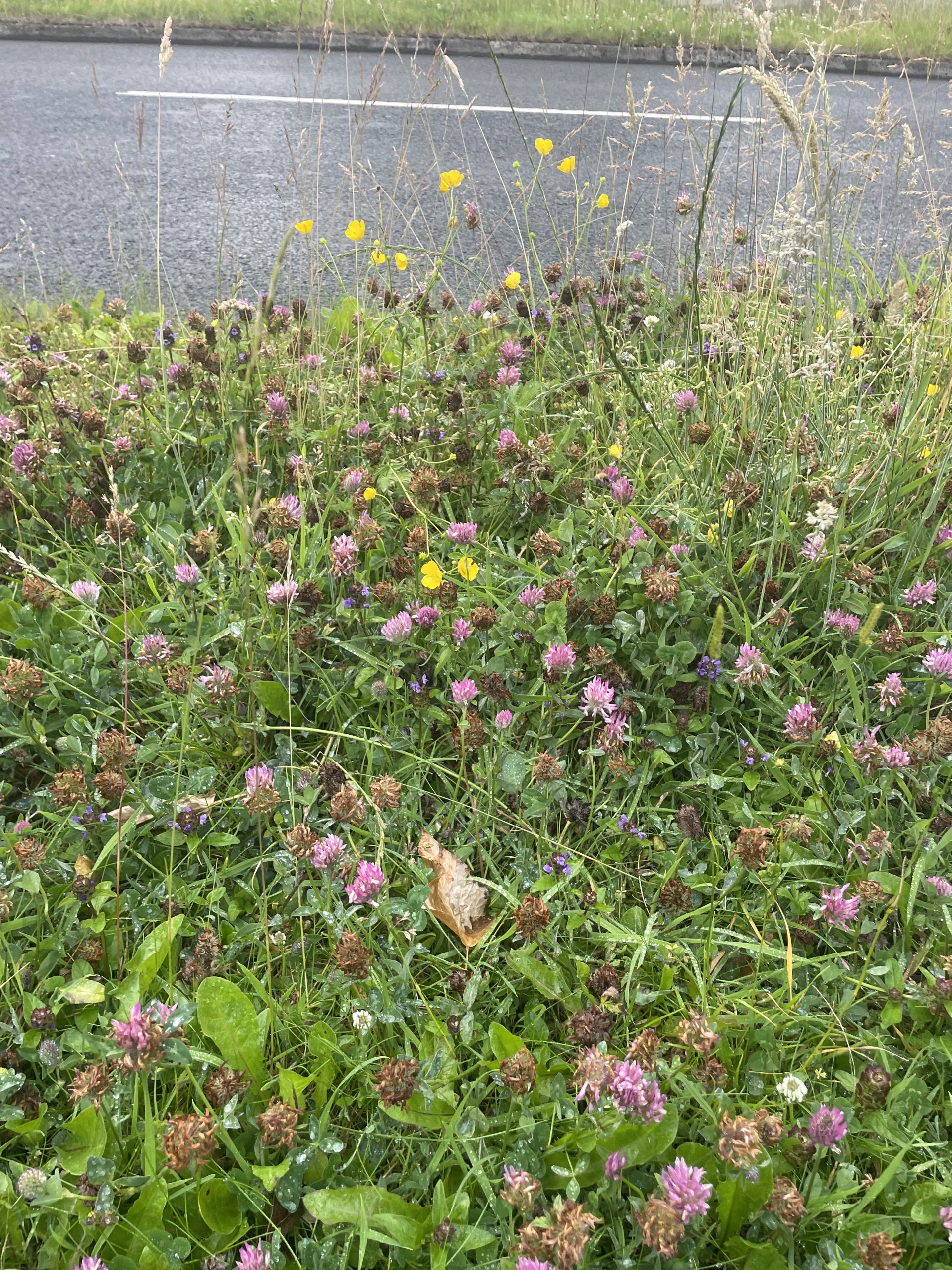
Reducing mowing helps wildflowers grow naturally
We manage our ‘No Mow’ area by cutting it at the end of the summer and removing the cuttings, thus following best practice meadow management practice. Allowing areas to grow allows local seeds the chance to grow. We are losing many of our native Irish wildflowers and mowing regularly prevent these sometimes old and forgotten seeds from germinating. We mow the path side of this strip to keep the ‘No Mow’ Verge looking neat and tidy for users of the footpath and cycle lane.
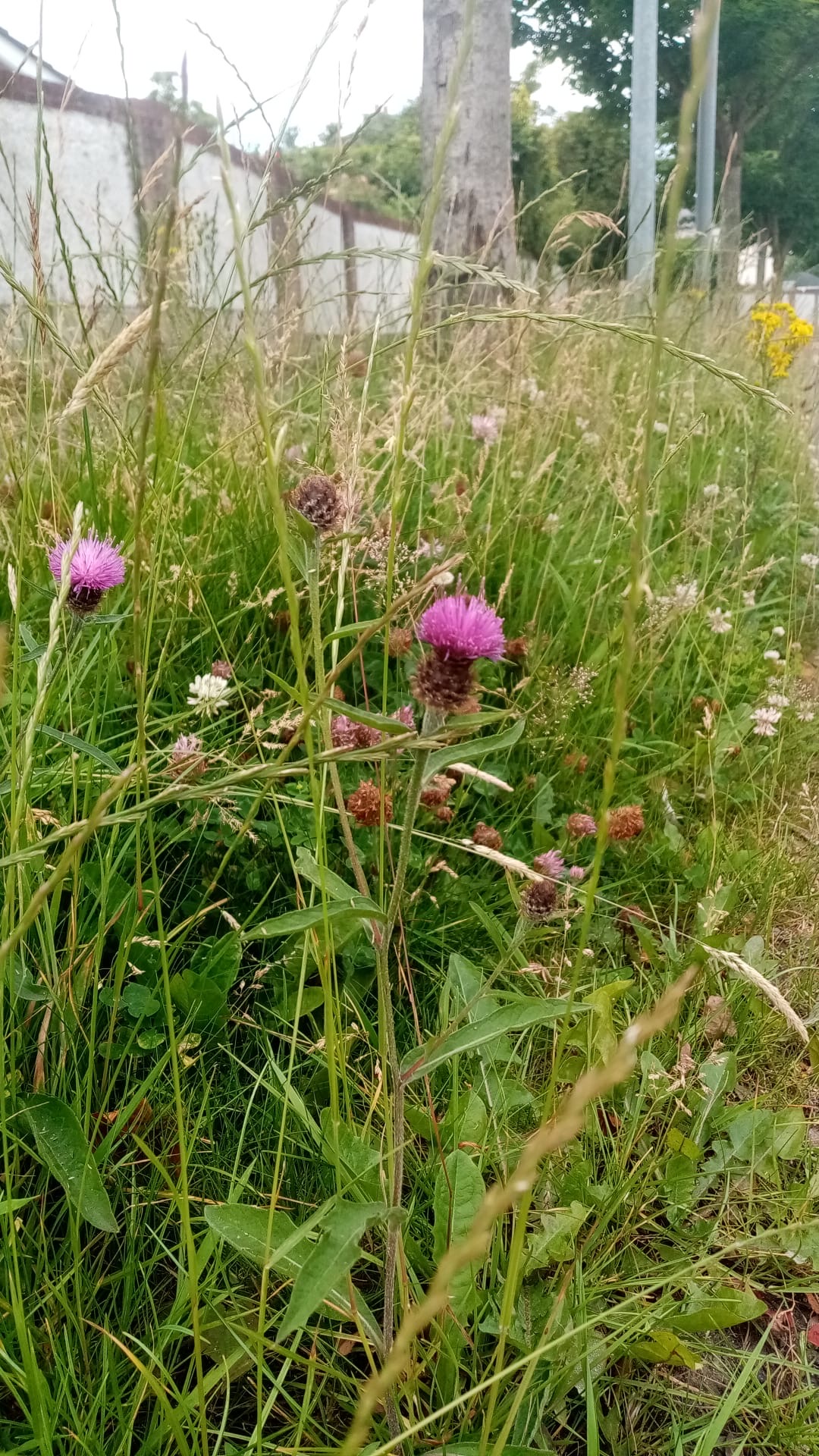
On Sunday, June 14th, 2026, one of our Citizen Science Officers, Marion Shiel, conducted a Flower-Insect-Timed Count survey at the ‘No Mow’ Verge. This 10-minute Citizen Science Survey of a small area (50 x 50cm) of the unmown verge recorded approximately four bumblebee visits on seven Knapweed native flowers. Marion also recorded the presence of a Common Carder Bee and a hoverfly.
Helping biodiversity and the climate
Another recent project undertaken by our group was the creation of Riverwood Bog Garden. A bog garden mimics a natural saturated wetland without having any open water. Water loving plants such as Marsh Marigold, Water Forget Me Not, Ragged Robin, Sphagnum moss and Sundew plants rely on this moisture retaining habitat. Ireland has lost 90% of its wetlands over the last couple of centuries. These are natural ‘carbon sinks’, preventing carbon loss to the atmosphere and proving to be one of the most effective ways of mitigating against climate change. Wetlands support Dragonflies, Damselflies, frogs, newts, and a variety of wetland loving insects. These insects in turn are food for birds, bats, and terrestrial mammals like hedgehogs, badgers, and even foxes. A sign at our bog garden provides information about the garden but also a QR code which offers instructions on how residents can build a bog garden themselves.
Please visit our webpage (www.riverwoodbiodiversity.ie) for more information on Riverwood Biodiversity Group.
Find out more:
Riverwood Biodiversity Group homepage
How-to guide: Creating and restoring meadows in local communities and gardens
Celebrating native wildflowers
Why we don’t recommend wildflower seed mixes